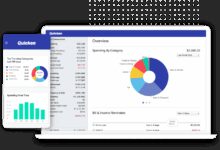
Quicken Accounting Software has long been a go-to solution for individuals and small businesses seeking powerful, user-friendly financial management tools. With its intuitive interface and robust features, it simplifies budgeting, expense tracking, and tax preparation like no other.
What Is Quicken Accounting Software?

Quicken Accounting Software is a personal finance and small business accounting tool developed by Intuit, the same company behind QuickBooks. Unlike enterprise-level systems, Quicken is tailored for individuals, freelancers, and small business owners who need real-time insights into their financial health without the complexity of full-scale ERP systems.
History and Evolution of Quicken
Launched in 1983 by Bill Harris, Quicken was one of the first personal finance applications designed for home users. It quickly gained popularity for its ability to help people track checking accounts, credit cards, and budgets from their desktops. Over the decades, it evolved from a DOS-based program into a modern, cloud-connected platform with mobile apps and bank syncing capabilities.
- 1983: First released for MS-DOS.
- 1990s: Expanded to Windows and Mac with enhanced features.
- 2000s: Integrated online banking and investment tracking.
- 2010s–Present: Introduced cloud sync, mobile apps, and AI-driven insights.
Today, Quicken is no longer just a budgeting tool—it’s a comprehensive financial ecosystem. You can learn more about its legacy on the official Quicken website.
How Quicken Differs from QuickBooks
While both are made by Intuit, Quicken Accounting Software and QuickBooks serve different audiences. QuickBooks is built for businesses that need invoicing, payroll, and multi-user access, whereas Quicken focuses on personal finance, investment tracking, and simplified small business accounting.
- Target Users: Quicken serves individuals and solopreneurs; QuickBooks targets small to mid-sized businesses.
- Accounting Depth: QuickBooks supports double-entry accounting; Quicken uses a simpler, single-entry system.
- Reporting: QuickBooks offers GAAP-compliant financial statements; Quicken provides cash flow summaries and net worth reports.
“Quicken gives you the power to manage your money like a pro, even if you’re not an accountant.” — Personal Finance Expert, Jane Thompson
Key Features of Quicken Accounting Software
Quicken Accounting Software stands out due to its rich feature set designed to streamline financial management. Whether you’re tracking daily expenses or planning for retirement, Quicken offers tools that adapt to your needs.
Automated Transaction Import and Categorization
One of the most time-saving features in Quicken is its ability to automatically import transactions from banks, credit cards, and investment accounts. Once linked, Quicken downloads your data securely and categorizes spending using smart algorithms.
- Supports over 20,000 financial institutions globally.
- Uses machine learning to improve categorization accuracy over time.
- Allows manual override and custom category creation.
This automation drastically reduces manual data entry, minimizing errors and saving hours each month. For users with multiple accounts, this feature is nothing short of revolutionary.
Comprehensive Budgeting Tools
Budgeting is at the heart of Quicken Accounting Software. It allows users to create detailed monthly budgets based on historical spending patterns or future goals.
- Create category-based budgets (e.g., groceries, utilities, travel).
- Set spending limits and receive alerts when nearing thresholds.
- Compare actual vs. budgeted spending with visual charts.
Quicken also supports rolling budgets and seasonal adjustments, making it ideal for fluctuating incomes or irregular expenses. Unlike basic spreadsheet budgeting, Quicken updates in real-time as transactions come in, giving you an always-current view of your financial status.
Investment and Retirement Tracking
For investors, Quicken Accounting Software offers advanced portfolio management tools. You can track stocks, mutual funds, retirement accounts (like 401(k)s and IRAs), and even real estate investments—all in one place.
- Automatic price updates for thousands of securities.
- Performance reports showing gains, losses, and asset allocation.
- Tax-cost basis tracking and capital gains forecasting.
These tools help users make informed decisions about rebalancing portfolios or harvesting tax losses. According to Investopedia, Quicken remains one of the few personal finance apps that offer such depth in investment tracking without requiring a subscription to a premium brokerage.
Quicken for Small Business Owners
While primarily known for personal finance, Quicken Accounting Software has become increasingly popular among solopreneurs and micro-businesses. Its simplicity and affordability make it a compelling alternative to more complex accounting platforms.
Income and Expense Management
Small business owners can use Quicken to separate personal and business finances by creating dedicated accounts and categories. The software allows you to tag transactions as business-related, making tax time much easier.
- Track business income from multiple sources (freelance, e-commerce, etc.).
- Log operating expenses like office supplies, software subscriptions, and travel.
- Generate profit and loss summaries by category or time period.
With Quicken’s reporting tools, you can quickly assess your business’s financial performance and identify areas where costs can be reduced.
Invoicing and Bill Tracking
Although not as robust as QuickBooks, newer versions of Quicken Accounting Software include basic invoicing capabilities. You can create professional-looking invoices, send them via email, and track payment status.
- Customizable invoice templates with your logo and branding.
- Recurring invoice scheduling for retainer clients.
- Bill reminders to ensure timely vendor payments.
While it doesn’t support automated payment processing, Quicken integrates with PayPal and other services to streamline collections. For service-based businesses with low transaction volume, this functionality is often sufficient.
Tax Preparation and Deduction Finder
Tax season can be stressful, but Quicken Accounting Software helps simplify the process. It includes a built-in deduction finder that scans your transactions for potential write-offs.
- Identifies common deductions like home office, mileage, and business meals.
- Generates IRS-compliant reports for Schedule C filers.
- Exports data directly to TurboTax for seamless filing.
This integration with TurboTax—a sister product from Intuit—makes Quicken a powerful ally during tax preparation. According to the IRS, proper documentation of business expenses can reduce taxable income significantly, and Quicken helps maintain that trail effortlessly.
Quicken Subscription Plans and Pricing
Quicken Accounting Software operates on a subscription model, offering several tiers to match different user needs. Unlike traditional one-time purchase software, Quicken now requires an annual fee, which includes automatic updates and cloud access.
Quicken Starter
The most affordable option, Quicken Starter is ideal for individuals who want basic budgeting and transaction tracking.
- Price: $47.99/year.
- Features: Bank sync, budgeting, debt tracking, basic reports.
- Limited investment tracking.
This plan suits users with simple financial lives who don’t need advanced investment or business tools.
Quicken Deluxe
Deluxe adds investment tracking and enhanced budgeting features, making it perfect for those managing both personal and investment finances.
- Price: $63.99/year.
- Features: All Starter features + investment tracking, retirement planning, spending analysis.
- Includes tax planning tools.
It’s a favorite among mid-income earners who want a holistic view of their net worth.
Quicken Premier and Home & Business
Premier offers the most advanced investment tools, including capital gains forecasting and portfolio optimization. Home & Business is tailored for self-employed individuals and small business owners.
- Premier: $89.99/year – Best for active investors.
- Home & Business: $103.99/year – Includes invoicing, mileage tracking, and business reporting.
- Both support multi-user access and cloud sync.
For detailed pricing and feature comparisons, visit Quicken’s official pricing page.
Pros and Cons of Using Quicken Accounting Software
Like any software, Quicken Accounting Software comes with strengths and limitations. Understanding both helps users make informed decisions.
Advantages of Quicken
Quicken has earned its reputation through consistent innovation and user-centric design.
- User-Friendly Interface: Clean layout and intuitive navigation make it accessible even for non-tech-savvy users.
- Real-Time Syncing: Transactions update across devices instantly when using cloud sync.
- Strong Investment Tools: Few personal finance apps offer the same depth in portfolio analysis.
- TurboTax Integration: Seamless tax filing experience for self-employed users.
- Offline Access: Unlike many cloud-only apps, Quicken allows full offline functionality.
These benefits make Quicken a top choice for users who value control, privacy, and comprehensive financial oversight.
Limitations and Criticisms
Despite its strengths, Quicken isn’t perfect. Some users have raised concerns over recent changes.
- Subscription Model: The shift from one-time purchase to mandatory subscription has frustrated long-time users.
- No Multi-Currency Support: A major drawback for freelancers working internationally.
- Limited Collaboration: Not ideal for teams; lacks real-time multi-user editing.
- Customer Support: Some users report slow response times and limited phone support.
- Mobile App Gaps: While improving, the mobile experience still lags behind the desktop version.
Additionally, Quicken does not offer built-in payroll processing or inventory management—features that competitors like QuickBooks provide.
How to Get Started with Quicken Accounting Software
Starting with Quicken Accounting Software is straightforward, but following best practices ensures you get the most out of the platform.
Installation and Setup Process
After purchasing a subscription, you can download Quicken directly from the official website. The installation process is quick and guided.
- Choose your operating system (Windows or Mac).
- Download and install the application.
- Launch Quicken and sign in with your Intuit account.
- Follow the setup wizard to add financial institutions and accounts.
During setup, Quicken will ask for login credentials to your banks and investment firms. It uses bank-level encryption to protect your data, ensuring security throughout the syncing process.
Customizing Your Dashboard
Once your accounts are connected, take time to customize your dashboard. This is your financial command center.
- Add widgets for net worth, cash flow, and budget progress.
- Pin frequently used reports for quick access.
- Set up alerts for low balances or large transactions.
Personalization enhances usability and keeps you engaged with your finances on a daily basis.
Best Practices for Maximizing Quicken
To truly benefit from Quicken Accounting Software, adopt these expert-recommended habits:
- Review your accounts weekly to catch errors early.
- Reconcile transactions monthly to ensure accuracy.
- Use tags and notes to add context to unusual expenses.
- Back up your data regularly, especially before tax season.
- Explore Quicken’s training webinars and user forums for tips.
Consistent use turns Quicken from a passive tracker into an active financial advisor.
Alternatives to Quicken Accounting Software
While Quicken is powerful, it’s not the only option available. Depending on your needs, other platforms might offer better value or functionality.
QuickBooks Self-Employed
Tailored for freelancers and gig workers, QuickBooks Self-Employed offers strong tax deduction tracking and mileage logging.
- Seamless integration with TurboTax.
- Automatic mileage tracking via mobile app.
- Priced at $15/month, it’s more affordable than Quicken Home & Business.
However, it lacks Quicken’s investment tracking and budgeting depth.
Mint by Intuit
Mint is a free alternative that focuses on budgeting and credit monitoring.
- Free to use with ads.
- Good for basic expense tracking and goal setting.
- No investment or business accounting features.
While user-friendly, Mint was discontinued in 2024 and merged into Credit Karma, reducing its long-term viability.
YNAB (You Need A Budget)
YNAB takes a proactive approach to budgeting using the zero-based method.
- Focuses on giving every dollar a job.
- Excellent for debt payoff and financial discipline.
- Priced at $99/year, it’s more expensive than Quicken Starter.
But it lacks investment tracking and tax tools, making it less comprehensive than Quicken Accounting Software.
Future of Quicken Accounting Software
As financial technology evolves, so does Quicken. The software continues to adapt to changing user expectations and market demands.
AI and Predictive Analytics
Quicken is investing in artificial intelligence to deliver smarter insights. Future updates may include:
- Predictive cash flow forecasting based on spending trends.
- AI-powered budget recommendations.
- Automated anomaly detection for fraud prevention.
These enhancements will make Quicken not just a recorder of finances, but a proactive advisor.
Enhanced Cloud and Mobile Experience
While Quicken has traditionally emphasized desktop use, the company is expanding its cloud and mobile capabilities.
- Real-time sync across all devices.
- Offline editing with automatic cloud backup.
- Improved mobile app with full feature parity.
This shift aims to meet the needs of on-the-go users who expect access anytime, anywhere.
Integration with Open Banking
With the rise of open banking APIs, Quicken may soon offer even more secure and efficient bank connections.
- Reduced reliance on screen scraping.
- Faster transaction updates.
- Better compliance with data privacy regulations.
Such integrations could position Quicken as a leader in secure, user-controlled financial data management.
Is Quicken Accounting Software worth it?
Yes, for individuals and small business owners who want a comprehensive, all-in-one financial management tool. Its blend of budgeting, investment tracking, and tax support makes it a standout choice.
Can I use Quicken without an internet connection?
Yes. Quicken Accounting Software allows full offline use. Data syncs to the cloud once you reconnect, making it reliable even in low-connectivity areas.
Does Quicken support multi-currency accounts?
No, currently Quicken does not support multi-currency transactions, which can be a limitation for international freelancers or expatriates.
How secure is my data in Quicken?
Quicken uses 256-bit SSL encryption and two-factor authentication to protect your data. Your financial information is stored locally (with optional cloud backup), giving you control over privacy.
Can I import data from other financial software?
Yes. Quicken supports importing data from CSV files, QuickBooks, Microsoft Money, and other platforms, ensuring a smooth transition for new users.
Quicken Accounting Software remains a powerful, versatile tool for managing personal and small business finances. With its rich feature set, intuitive design, and strong integration with TurboTax, it continues to be a top contender in the financial software space. Whether you’re budgeting for retirement, running a side hustle, or investing in the stock market, Quicken provides the tools you need to stay in control. While it faces competition and has some limitations, its ongoing innovation suggests a bright future. For anyone serious about financial clarity, Quicken is more than just software—it’s a financial partner.
Further Reading:
