Ever wondered how your favorite snacks, medicines, or beverages are made with such consistency? It’s not magic—it’s a Process Manufacturing ERP system working behind the scenes, turning complex recipes into flawless production runs.
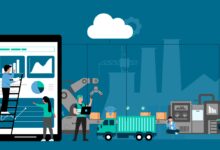
What Is Process Manufacturing ERP?

A Process Manufacturing ERP (Enterprise Resource Planning) system is a specialized software solution designed for industries that produce goods through formulas, recipes, or continuous processes—like food and beverage, pharmaceuticals, chemicals, and cosmetics. Unlike discrete manufacturing, where products are assembled piece by piece (like cars or phones), process manufacturing blends raw materials in specific proportions to create a final product.
How It Differs from Discrete Manufacturing ERP
The core difference lies in the production method. Discrete manufacturing tracks individual components and serial numbers, while process manufacturing focuses on batch control, yield tracking, and formula management. For example, building a laptop involves tracking each screw and chip, but making a batch of shampoo requires precise measurements of liquids, powders, and emulsifiers—all mixed in a controlled environment.
- Discrete ERP: Tracks assemblies, bills of materials (BOMs), and work orders.
- Process ERP: Manages formulas, batch records, and quality compliance.
- Inventory in process ERP is often measured by weight, volume, or density, not unit count.
“Process manufacturing isn’t about putting parts together—it’s about transforming raw ingredients into consistent, high-quality outputs.” — Industry Analyst, Manufacturing Today
Core Industries That Rely on Process Manufacturing ERP
Several industries depend heavily on precision, compliance, and traceability—making Process Manufacturing ERP essential. These include:
- Food & Beverage: From dairy processing to carbonated drinks, consistency and safety are non-negotiable. ERP systems help manage shelf life, allergens, and batch recalls.
- Pharmaceuticals: Strict FDA and GMP regulations require full traceability. ERP ensures every batch meets compliance standards from raw material to final packaging.
- Chemicals: Whether industrial solvents or specialty polymers, chemical manufacturing demands precise formulations and hazardous material tracking.
- Cosmetics & Personal Care: Fragrances, lotions, and skincare products require exact ingredient ratios and batch validation.
According to Grand View Research, the global process manufacturing market is projected to grow at a CAGR of 6.8% from 2023 to 2030, driven by digital transformation and regulatory demands.
Key Features of a Process Manufacturing ERP System
A robust Process Manufacturing ERP isn’t just accounting software with a fancy label. It’s engineered to handle the unique challenges of formula-based production. Let’s break down the essential features that set it apart.
Recipe and Formula Management
This is the heart of any Process Manufacturing ERP. Instead of traditional bills of materials (BOMs), process manufacturers use formulas—detailed instructions on how to mix ingredients to produce a specific output.
- Supports multi-level formulas (e.g., base mix + flavor concentrate).
- Allows version control to track changes in recipes over time.
- Enables scaling—adjusting batch sizes without compromising quality.
For instance, a beverage company can use the same base formula for 100 liters or 10,000 liters, with the ERP automatically adjusting ingredient quantities. This eliminates manual errors and ensures consistency across batches.
Batch and Lot Tracking
Traceability is critical in process manufacturing. If a contaminated ingredient is discovered, companies must quickly identify which batches were affected. A Process Manufacturing ERP provides end-to-end lot tracking from raw materials to finished goods.
- Tracks expiration dates and shelf life (crucial for food and pharma).
- Supports serial number generation for finished products.
- Enables recall management with just a few clicks.
For example, during the 2022 infant formula recall in the U.S., companies with advanced ERP systems were able to isolate affected batches within hours, minimizing public risk and financial loss.
Quality Management and Compliance
Regulatory compliance isn’t optional—it’s mandatory. Process Manufacturing ERP systems integrate quality control (QC) workflows directly into production.
- Automates quality checks at various stages (incoming materials, in-process, final product).
- Supports electronic batch records (EBR) for FDA 21 CFR Part 11 compliance.
- Generates audit trails for every action taken in the system.
According to a U.S. FDA report, over 40% of pharmaceutical warning letters are due to inadequate documentation and quality control—issues that a proper ERP can prevent.
Top 7 Benefits of Implementing a Process Manufacturing ERP
Investing in a Process Manufacturing ERP isn’t just about keeping up with technology—it’s about gaining a competitive edge. Here are seven powerful benefits that drive ROI.
1. Enhanced Production Efficiency
By automating scheduling, material allocation, and batch execution, ERP systems reduce downtime and improve throughput. Real-time dashboards show machine status, labor availability, and inventory levels, allowing managers to make data-driven decisions.
- Reduces changeover times between batches.
- Optimizes equipment utilization.
- Minimizes idle time with predictive scheduling.
A case study from SAP showed a 22% increase in production efficiency for a global food manufacturer after ERP implementation.
2. Improved Product Consistency and Quality
Human error in manual mixing or measurement can lead to off-spec products. A Process Manufacturing ERP enforces standard operating procedures (SOPs) and ensures every batch follows the approved formula.
- Reduces variation in taste, texture, or potency.
- Automatically flags deviations during production.
- Integrates with lab information management systems (LIMS) for real-time QC.
“Consistency isn’t just a goal—it’s a brand promise. ERP makes it achievable at scale.” — Quality Director, Major Beverage Co.
3. Real-Time Inventory and Supply Chain Visibility
Running out of a key ingredient can halt production. Overstocking leads to waste, especially with perishable goods. A Process Manufacturing ERP provides real-time inventory tracking across multiple locations.
- Monitors raw material usage and reorder points.
- Integrates with supplier portals for automated procurement.
- Supports demand forecasting using historical data.
For example, a dairy processor can predict milk requirements based on seasonal demand for ice cream, avoiding both shortages and spoilage.
4. Regulatory Compliance Made Easier
Industries like pharmaceuticals and food are under constant regulatory scrutiny. A Process Manufacturing ERP simplifies compliance by embedding regulatory requirements into daily operations.
- Automates reporting for FDA, USDA, EU regulations.
- Maintains electronic signatures and audit trails.
- Supports traceability for allergens, GMOs, and organic certifications.
The ISO 22000 standard for food safety management is easier to achieve with ERP-integrated quality modules.
5. Reduced Waste and Improved Yield
In process manufacturing, even a 2% yield loss can cost millions annually. ERP systems analyze production data to identify inefficiencies and optimize resource use.
- Tracks actual vs. theoretical yield.
- Identifies bottlenecks in mixing, heating, or cooling stages.
- Recommends process adjustments based on historical performance.
A chemical manufacturer reported a 15% reduction in raw material waste after implementing yield tracking in their ERP system.
6. Better Decision-Making with Advanced Analytics
Modern Process Manufacturing ERP systems come with built-in analytics and business intelligence (BI) tools. These provide insights that were previously buried in spreadsheets or paper logs.
- Generates real-time KPIs: OEE (Overall Equipment Effectiveness), batch cycle time, defect rates.
- Offers predictive analytics for maintenance and demand planning.
- Supports scenario modeling (e.g., “What if we switch to a cheaper supplier?”).
With AI-powered forecasting, companies can anticipate market shifts and adjust production accordingly.
7. Scalability for Growth
Whether you’re expanding to new markets or launching new product lines, a Process Manufacturing ERP scales with your business.
- Supports multi-site operations with centralized control.
- Enables rapid onboarding of new products with template-based formulas.
- Integrates with e-commerce and CRM platforms for end-to-end visibility.
Startups in the craft beverage industry often start with basic ERP modules and scale up as they grow, avoiding costly system overhauls.
How to Choose the Right Process Manufacturing ERP
Selecting the right ERP isn’t a one-size-fits-all decision. It requires careful evaluation of your business needs, industry requirements, and long-term goals.
Assess Your Business Needs
Start by mapping your current processes. Identify pain points: Is batch tracking manual? Are recalls taking too long? Is inventory inaccurate?
- Conduct a gap analysis between current and desired state.
- Involve key stakeholders: production, quality, finance, IT.
- Prioritize must-have vs. nice-to-have features.
For example, a pharmaceutical company will prioritize compliance features, while a food manufacturer may focus on shelf-life management.
Evaluate Industry-Specific Capabilities
Not all ERPs handle process manufacturing well. Look for vendors with proven experience in your industry.
- Ask for customer references in your sector.
- Verify support for regulatory standards (e.g., FDA, GMP, HACCP).
- Check integration with lab equipment and SCADA systems.
Vendors like Veeva (for pharma) and IFS (for food and chemicals) offer tailored solutions.
Consider Deployment Options: Cloud vs. On-Premise
Modern ERP systems offer flexible deployment models. Each has pros and cons.
- Cloud ERP: Faster implementation, lower upfront cost, automatic updates. Ideal for mid-sized companies.
- On-Premise ERP: Greater control over data, customizable, but higher maintenance cost. Preferred by large enterprises with strict data policies.
- Hybrid: Combines both, useful for companies with legacy systems.
According to Gartner, over 70% of new ERP implementations in 2023 were cloud-based, signaling a clear industry shift.
Common Challenges in Implementing Process Manufacturing ERP
Despite the benefits, ERP implementation isn’t without hurdles. Being aware of these challenges helps in planning a smoother rollout.
Data Migration and System Integration
Moving data from legacy systems (spreadsheets, old databases) to a new ERP can be complex. Incomplete or inaccurate data leads to system errors.
- Perform data cleansing before migration.
- Use middleware for integration with existing machinery (e.g., PLCs, sensors).
- Test integration in a sandbox environment first.
One manufacturer delayed their go-live by three months due to unclean batch history data—highlighting the need for early data audits.
Employee Resistance and Training Gaps
Change is hard. Operators used to paper-based batch sheets may resist digital workflows.
- Involve end-users early in the selection process.
- Provide hands-on training with real-world scenarios.
- Appoint internal champions to drive adoption.
A study by McKinsey found that 70% of digital transformations fail due to lack of employee buy-in.
Customization vs. Standardization Dilemma
Too much customization makes upgrades difficult. Too little standardization may not meet business needs.
- Adopt best practices before customizing.
- Use configuration over code modification when possible.
- Document all customizations for future maintenance.
“The most successful ERP implementations balance flexibility with stability.” — CIO, Global Chemical Firm
Future Trends in Process Manufacturing ERP
The world of ERP is evolving fast. Emerging technologies are reshaping how process manufacturers operate.
AI and Machine Learning Integration
AI is no longer sci-fi—it’s in your ERP. Machine learning algorithms analyze production data to predict equipment failures, optimize recipes, and improve quality.
- Predictive maintenance reduces unplanned downtime.
- AI-driven formula optimization can reduce costs without sacrificing quality.
- Natural language processing (NLP) enables voice-based data entry on the plant floor.
Siemens’ Mendix platform now offers AI-powered ERP extensions for process industries.
Internet of Things (IoT) and Real-Time Monitoring
Sensors embedded in tanks, mixers, and conveyors feed real-time data into the ERP system.
- Monitors temperature, pressure, pH levels continuously.
- Triggers alerts if parameters go out of spec.
- Enables closed-loop control for automated adjustments.
A dairy plant in New Zealand uses IoT to maintain precise pasteurization temperatures, ensuring food safety and regulatory compliance.
Sustainability and Green Manufacturing
Consumers and regulators demand eco-friendly practices. Modern ERP systems track carbon footprint, water usage, and energy consumption.
- Calculates environmental impact per batch.
- Supports compliance with ESG (Environmental, Social, Governance) reporting.
- Optimizes logistics to reduce emissions.
Unilever uses its ERP to monitor sustainability metrics across 280+ factories globally.
Success Stories: Companies Thriving with Process Manufacturing ERP
Real-world examples prove the value of investing in the right ERP system.
Case Study: Nestlé’s Global ERP Transformation
Nestlé, the world’s largest food and beverage company, implemented SAP ERP across 400+ factories. The goal? Standardize processes and improve agility.
- Reduced batch processing time by 30%.
- Improved inventory accuracy to 99.8%.
- Enabled faster new product launches (from 18 to 6 months).
The project, though costly, delivered a 200% ROI within five years.
Case Study: Pfizer’s Compliance-Driven ERP Upgrade
During the pandemic, Pfizer needed to scale vaccine production rapidly. Their Process Manufacturing ERP played a crucial role.
- Ensured full traceability of every vial from raw RNA to final packaging.
- Automated FDA reporting, reducing manual work by 70%.
- Supported 24/7 production with real-time quality monitoring.
The system handled over 1 billion doses with zero major compliance issues.
Case Study: L’Oréal’s Digital Factory Initiative
L’Oréal implemented a cloud-based ERP to modernize its cosmetics production.
- Reduced time-to-market for new products by 40%.
- Integrated sustainability metrics into production planning.
- Enabled remote monitoring of global plants.
The ERP became the backbone of their Industry 4.0 strategy.
What is Process Manufacturing ERP?
A Process Manufacturing ERP is a specialized software system designed for industries that produce goods through formulas or continuous processes, such as food, pharmaceuticals, and chemicals. It manages recipes, batch tracking, compliance, and inventory specific to process-based production.
How does Process Manufacturing ERP improve quality control?
It enforces standardized recipes, automates quality checks, and maintains electronic batch records. Any deviation from the formula is flagged in real time, ensuring consistent product quality and regulatory compliance.
Can small manufacturers benefit from Process Manufacturing ERP?
Absolutely. Cloud-based ERP solutions offer scalable, affordable options for small and mid-sized manufacturers. They reduce manual errors, improve traceability, and support growth without heavy upfront investment.
Is cloud ERP secure for process manufacturing?
Yes. Leading cloud ERP providers use advanced encryption, multi-factor authentication, and comply with standards like ISO 27001 and SOC 2. Many are more secure than on-premise systems managed internally.
How long does ERP implementation take?
Typically 6 to 18 months, depending on company size and complexity. Cloud implementations are faster (6–9 months), while on-premise can take over a year. Proper planning and change management are key to success.
Implementing a Process Manufacturing ERP is more than a tech upgrade—it’s a strategic move toward efficiency, compliance, and growth. From automating recipes to enabling real-time traceability, these systems empower manufacturers to meet modern challenges head-on. Whether you’re a startup or a global enterprise, the right ERP can transform your operations, reduce waste, and ensure every batch meets the highest standards. The future of process manufacturing is digital, intelligent, and connected—and it starts with the right ERP.
Further Reading:
