Implementing Oracle Fusion can be a game-changer for your business. With the right strategy, it transforms operations, boosts efficiency, and drives growth. Let’s explore how to master Oracle Fusion Implementation the smart way.
What Is Oracle Fusion Implementation?

Oracle Fusion Implementation refers to the process of deploying Oracle Fusion Cloud Applications across an organization. These applications span finance, HR, supply chain, and customer experience, offering a unified, cloud-based platform designed to streamline business operations. Unlike traditional on-premise systems, Oracle Fusion runs on the cloud, enabling faster deployment, easier updates, and greater scalability.
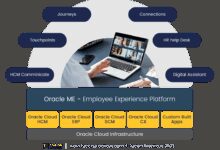
Core Components of Oracle Fusion
Oracle Fusion is not a single application but a suite of integrated cloud services. Each module is built on a common data model and architecture, ensuring seamless interoperability. The major components include:
- Oracle Fusion Financials: Manages accounting, financial reporting, budgeting, and compliance.
- Oracle Fusion HCM (Human Capital Management): Handles HR processes like payroll, talent acquisition, performance management, and workforce planning.
- Oracle Fusion SCM (Supply Chain Management): Covers procurement, inventory, logistics, manufacturing, and order management.
- Oracle Fusion CX (Customer Experience): Includes sales, service, marketing, and commerce tools to enhance customer engagement.
These modules are built on Oracle’s cloud infrastructure, leveraging AI, machine learning, and real-time analytics to deliver intelligent automation and insights.
Why Oracle Fusion Stands Out
Oracle Fusion differentiates itself through its unified data model, pre-built integrations, and embedded intelligence. Unlike legacy ERP systems that require extensive customization, Oracle Fusion offers a modern, standards-based architecture that reduces complexity and total cost of ownership. According to Oracle’s official documentation, organizations using Fusion Cloud report up to 40% faster financial close cycles and 30% lower IT costs.
“Oracle Fusion is not just software—it’s a transformation engine for modern enterprises.” — Oracle Industry Analyst Report
Oracle Fusion Implementation: Key Benefits for Enterprises
Organizations that undergo a successful Oracle Fusion Implementation experience transformative outcomes. From operational efficiency to strategic agility, the benefits are both immediate and long-term. Let’s dive into the most impactful advantages.
Improved Operational Efficiency
One of the primary goals of Oracle Fusion Implementation is to eliminate silos and automate manual processes. With pre-configured workflows and business processes, companies can standardize operations across departments and geographies. For example, automated invoice processing in Oracle Fusion Financials reduces manual data entry and speeds up approvals.
Additionally, the system’s real-time dashboards and analytics allow managers to monitor KPIs and identify bottlenecks instantly. This visibility leads to faster decision-making and continuous process improvement.
Enhanced Data Accuracy and Compliance
Data integrity is critical in enterprise systems. Oracle Fusion Implementation ensures data consistency through a single source of truth. All modules share the same data model, reducing duplication and errors. This is especially valuable for global companies that must comply with multiple regulatory frameworks like GDPR, SOX, and IFRS.
The system includes built-in compliance tools, audit trails, and role-based security. For instance, Oracle Fusion HCM includes automated compliance checks for labor laws and tax regulations, minimizing legal risks.
Scalability and Future-Proofing
As businesses grow, their systems must scale accordingly. Oracle Fusion Implementation provides a scalable cloud architecture that supports expansion without major infrastructure overhauls. Whether you’re adding new subsidiaries, entering new markets, or acquiring companies, Fusion can adapt quickly.
Oracle continuously updates the platform with new features, security patches, and regulatory updates—delivered automatically. This future-proofs your investment and ensures you’re always using the latest technology.
Oracle Fusion Implementation: The 7-Step Success Framework
A structured approach is essential for a successful Oracle Fusion Implementation. While every project is unique, following a proven methodology significantly increases the chances of on-time, on-budget delivery. Here’s a comprehensive 7-step framework used by top consulting firms and Oracle partners.
Step 1: Project Planning and Discovery
This foundational phase sets the tone for the entire implementation. It involves defining project scope, objectives, timelines, budget, and key stakeholders. A cross-functional team should be assembled, including IT, finance, HR, and operations leaders.
Key activities include:
- Conducting a business process assessment to identify current pain points.
- Defining success metrics (e.g., reduced month-end close time, improved employee onboarding).
- Selecting the right Oracle Fusion modules based on business needs.
- Choosing between a phased rollout (by module or region) or a big bang approach.
According to Oracle’s Rapid Implementation Methodology (RIM), this phase should also include a readiness assessment to evaluate organizational preparedness.
Step 2: Business Process Design and Blueprinting
In this phase, you map your current processes and design future-state workflows aligned with Oracle Fusion best practices. The goal is to leverage out-of-the-box functionality as much as possible, minimizing customizations.
A detailed blueprint document is created, outlining:
- Process flows for core operations (e.g., procure-to-pay, hire-to-retire).
- Data migration requirements and mapping rules.
- Integration points with existing systems (e.g., CRM, payroll providers).
- User roles, responsibilities, and security access.
This blueprint serves as the single source of truth for configuration, development, and testing teams.
Step 3: System Configuration and Customization
With the blueprint in hand, the technical team begins configuring Oracle Fusion using Oracle’s setup tools. This includes defining chart of accounts, approval hierarchies, organizational structures, and business units.
While Oracle Fusion is designed to minimize customization, some level of tailoring is often necessary. Examples include:
- Custom reports using Oracle Transactional Business Intelligence (OTBI).
- Workflow extensions for unique approval processes.
- UI modifications to match corporate branding.
It’s crucial to follow Oracle’s customization guidelines to ensure upgrade compatibility. Over-customization can lead to higher maintenance costs and upgrade challenges.
Step 4: Data Migration and Cleansing
Data is the lifeblood of any ERP system. A successful Oracle Fusion Implementation hinges on accurate, clean, and well-structured data. This phase involves extracting data from legacy systems, transforming it to fit Oracle’s data model, and loading it into the new environment.
Common data types migrated include:
- General ledger balances and open items.
- Employee records and payroll history.
- Supplier and customer master data.
- Inventory and asset records.
Data cleansing is critical—duplicate records, inconsistent formats, and missing values must be resolved before migration. Tools like Oracle Data Integrator (ODI) and third-party ETL platforms are often used to automate this process.
“Poor data quality is the #1 cause of ERP implementation delays.” — Gartner Research
Step 5: Integration and Interoperability
No system operates in isolation. Oracle Fusion Implementation must include robust integration with other enterprise systems such as CRM, HRIS, e-commerce platforms, and banking systems.
Oracle offers several integration options:
- Oracle Integration Cloud (OIC): A cloud-based platform for building and managing integrations with pre-built adapters.
- REST and SOAP APIs: For custom integrations with third-party applications.
- File-based integrations: Using CSV or XML files for batch data exchange.
Best practice is to design a scalable integration architecture early in the project. This avoids point-to-point spaghetti integrations that are hard to maintain.
Step 6: Testing and Validation
Thorough testing ensures the system works as intended and meets business requirements. This phase includes multiple testing types:
- Unit Testing: Validating individual configurations and customizations.
- Integration Testing: Ensuring data flows correctly between modules and external systems.
- User Acceptance Testing (UAT): Business users test real-world scenarios to confirm the system supports their workflows.
- Performance Testing: Checking system response times under load.
Defects are logged, prioritized, and resolved before moving to production. A test management tool like Jira or Oracle Application Testing Suite can streamline this process.
Step 7: Deployment and Go-Live Support
The final step is deploying the system to production. This includes:
- Final data migration (cutover).
- System validation in the production environment.
- End-user training and change management.
- Go-live support with a war room or command center.
Post-go-live, a hypercare support period (typically 2–4 weeks) is essential. During this time, the implementation team provides 24/7 support to resolve issues quickly and ensure business continuity.
Common Challenges in Oracle Fusion Implementation
Despite its benefits, Oracle Fusion Implementation is not without challenges. Understanding these pitfalls in advance allows organizations to proactively mitigate risks.
Resistance to Change
One of the biggest hurdles is user resistance. Employees accustomed to legacy systems may fear the new interface or workflow changes. Without proper change management, adoption rates suffer.
Solutions include:
- Early involvement of end-users in design workshops.
- Comprehensive training programs tailored to different roles.
- Clear communication about the benefits of the new system.
According to Prosci’s Change Management Best Practices Report, projects with strong change management are six times more likely to meet objectives.
Data Migration Complexity
Migrating data from disparate legacy systems is often more complex than anticipated. Issues like data silos, inconsistent naming conventions, and outdated records can derail timelines.
Best practices to overcome this:
- Start data cleansing early in the project lifecycle.
- Use data profiling tools to assess quality before migration.
- Perform multiple test migrations to validate accuracy.
Underestimating Customization Impact
While Oracle Fusion offers extensive out-of-the-box functionality, some organizations insist on replicating legacy customizations. This can lead to:
- Increased project cost and duration.
- Difficulty in upgrading to future releases.
- Reduced system stability.
The key is to adopt a “fit-to-standard” approach—modifying business processes to align with Oracle best practices rather than customizing the software.
Best Practices for a Successful Oracle Fusion Implementation
To maximize ROI and minimize disruption, organizations should follow industry-proven best practices throughout the Oracle Fusion Implementation journey.
Adopt a Fit-to-Standard Mindset
Instead of forcing the software to match outdated processes, evaluate whether your business processes can be improved to align with Oracle’s best practices. This reduces customization, speeds up implementation, and ensures long-term maintainability.
For example, if your current approval workflow is overly complex, consider simplifying it to match Oracle’s recommended pattern. This often leads to faster decision-making and fewer bottlenecks.
Engage Oracle Experts Early
Oracle Fusion is a sophisticated platform. While internal teams can handle some aspects, engaging certified Oracle consultants or partners early in the project brings invaluable expertise.
Oracle Platinum Partners like Deloitte, Accenture, and Capgemini have deep experience with Fusion implementations across industries. They can provide:
- Accelerated implementation using pre-built accelerators.
- Guidance on licensing, pricing, and cloud architecture.
- Support during audits and compliance reviews.
Prioritize User Training and Adoption
The most advanced system fails if users don’t adopt it. Invest in role-based training, user guides, and ongoing support.
Consider using Oracle’s Oracle University for official certification programs. Additionally, create super users within each department to act as internal champions and first-line support.
Post-Implementation: Optimization and Continuous Improvement
Go-live is not the end—it’s the beginning of the optimization phase. A successful Oracle Fusion Implementation includes a long-term strategy for continuous improvement.
Leverage Analytics and AI Features
Oracle Fusion includes powerful analytics tools like Oracle Analytics Cloud and AI-driven insights. For example:
- Use predictive forecasting in Financials to improve cash flow planning.
- Leverage talent intelligence in HCM to identify flight risks and succession candidates.
- Apply supply chain intelligence to optimize inventory levels.
Regularly review dashboards and KPIs to identify areas for improvement.
Monitor System Performance and Health
Use Oracle Cloud Console to monitor system uptime, performance metrics, and user activity. Set up alerts for anomalies and schedule regular health checks.
Oracle also provides monthly updates with new features and security patches. Plan for quarterly update reviews to assess which enhancements to adopt.
Establish a Center of Excellence (CoE)
A dedicated CoE ensures ongoing governance, support, and innovation. The CoE team should include:
- Functional experts (finance, HR, SCM).
- Technical administrators.
- Change management specialists.
The CoE drives user adoption, manages enhancements, and coordinates with Oracle support for issue resolution.
Oracle Fusion Implementation vs. Traditional ERP: A Strategic Shift
Understanding the differences between Oracle Fusion Implementation and traditional ERP deployments highlights why more organizations are moving to the cloud.
Deployment Model: Cloud vs. On-Premise
Traditional ERP systems like Oracle E-Business Suite or SAP ECC are typically deployed on-premise, requiring significant hardware, IT staff, and maintenance. In contrast, Oracle Fusion is a cloud-native SaaS solution, eliminating the need for physical infrastructure.
Benefits of cloud deployment:
- Lower upfront costs.
- Faster time-to-value (implementation in months vs. years).
- Automatic updates and security patches.
Agility and Innovation
Cloud-based Oracle Fusion receives regular updates with new features, often driven by AI and machine learning. Traditional ERP systems require costly and disruptive upgrade projects to access new functionality.
For example, Oracle recently introduced AI-powered assistant features in Fusion that automate routine tasks like expense reporting and invoice matching—features not available in legacy systems.
Total Cost of Ownership (TCO)
While cloud subscriptions have recurring costs, the total cost of ownership for Oracle Fusion is often lower than on-premise ERP over a 5-year period. A study by Nucleus Research found that cloud ERP delivers 2.5x higher ROI than on-premise solutions due to reduced IT overhead and faster implementation.
What is Oracle Fusion Implementation?
Oracle Fusion Implementation is the process of deploying Oracle’s cloud-based enterprise applications—such as Finance, HR, and Supply Chain—across an organization. It involves planning, configuring, migrating data, integrating systems, and training users to ensure a smooth transition to the new platform.
How long does Oracle Fusion Implementation take?
Timeline varies by scope, but a typical mid-sized company can implement Oracle Fusion in 6 to 12 months. Smaller rollouts (e.g., single module) may take 3–6 months, while enterprise-wide deployments can take 12–18 months.
What are the key risks in Oracle Fusion Implementation?
Common risks include poor data quality, user resistance, scope creep, and over-customization. These can be mitigated with strong project management, change management, and adherence to best practices.
Do I need consultants for Oracle Fusion Implementation?
While possible to do in-house, most organizations benefit from Oracle-certified partners. Consultants bring proven methodologies, accelerators, and experience that reduce risk and accelerate delivery.
Can Oracle Fusion integrate with other systems?
Yes. Oracle Fusion supports integration via Oracle Integration Cloud (OIC), REST APIs, and file-based methods. It can connect with CRM, payroll, banking, and e-commerce platforms seamlessly.
Oracle Fusion Implementation is more than a technical project—it’s a strategic transformation. By following a structured approach, leveraging best practices, and focusing on user adoption, organizations can unlock significant value. From improved efficiency to better decision-making, the benefits are substantial. The key is to plan thoroughly, execute precisely, and continue optimizing after go-live. With the right strategy, Oracle Fusion becomes a powerful engine for long-term success.
Further Reading:
