Thinking about scaling your business globally? NetSuite OneWorld Pricing might be the make-or-break factor in your decision. Packed with powerful tools for multinational operations, OneWorld promises seamless financial consolidation, multi-currency support, and real-time visibility across subsidiaries—but what does it really cost? Let’s break it down.
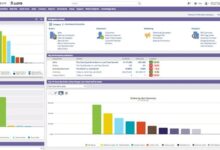
Understanding NetSuite OneWorld Pricing Structure

NetSuite OneWorld is not a one-size-fits-all solution. Its pricing reflects the complexity and scalability required by global enterprises. Unlike the standard NetSuite ERP, OneWorld is designed for companies operating in multiple countries, dealing with various currencies, tax regulations, and compliance standards. As such, the pricing model is inherently more intricate and tailored to each organization’s needs.
Subscription-Based Model
NetSuite operates on a subscription-based pricing model, typically billed annually. The cost is influenced by several variables, including the number of users, modules selected, transaction volume, and the number of subsidiaries or legal entities being managed. Because OneWorld supports multi-subsidiary management, the pricing scales with the complexity of your global footprint.
- Base subscription fee for core OneWorld functionality
- Per-user licensing (full, employee, or light users)
- Additional fees for advanced modules like Advanced Financials or CRM
According to NetSuite’s official website, pricing is not publicly listed and requires a direct consultation with a sales representative. This is common for enterprise-level software, where customization and integration needs vary significantly from one business to another.
Factors Influencing NetSuite OneWorld Pricing
Several key factors directly impact the final price tag:
Number of Subsidiaries: OneWorld allows management of up to 99 subsidiaries.Each additional entity increases licensing and support costs.Geographic Complexity: Operating in regions with complex tax laws (e.g., EU VAT, Brazil’s NF-e) may require additional configuration and compliance tools, increasing implementation and licensing fees.User Types and Volume: Full users (with full ERP access) cost more than employee centers or light users.The more users you have, the higher the total cost.Transaction Volume: High-volume businesses may incur additional charges based on data processing and storage needs.”NetSuite OneWorld is not just ERP—it’s global business infrastructure..
The pricing reflects the depth of functionality and the level of support required.” — Industry Analyst, ERP TodayNetSuite OneWorld Pricing: Core Modules and Add-OnsThe total cost of NetSuite OneWorld isn’t just about the base license.A significant portion of the investment comes from the modules and add-ons that extend its functionality.These are essential for businesses needing more than basic financial management..
Essential Modules Included in OneWorld
OneWorld comes with a robust set of built-in features that standard NetSuite editions lack. These include:
- Multi-subsidiary accounting and intercompany transactions
- Real-time financial consolidation across currencies and regions
- Global tax compliance (VAT, GST, sales tax automation)
- Multi-currency and multi-language support
- Centralized reporting with local and consolidated views
These features are critical for multinational corporations but come at a premium. While they’re part of the OneWorld package, their implementation and configuration can drive up consulting and setup costs.
Premium Add-Ons That Increase NetSuite OneWorld Pricing
Many businesses opt for advanced modules that enhance functionality but also increase the overall cost:
- Advanced Financials: Offers budgeting, forecasting, and financial planning tools. Adds 15–25% to the base cost.
- CRM and Sales Force Automation: Enables global sales tracking and customer management. Requires additional user licenses.
- Supply Chain Management (SCM): Ideal for global logistics and inventory control. Can increase implementation time and cost by 30% or more.
- Human Capital Management (HCM): Supports global payroll, talent management, and compliance. Often licensed separately.
For example, a company with operations in Europe, Asia, and North America might need Advanced Financials for consolidation, SCM for inventory, and HCM for regional payroll—each adding layers to the NetSuite OneWorld Pricing structure.
Hidden Costs in NetSuite OneWorld Pricing
While the subscription fee is the most visible cost, many businesses underestimate the total cost of ownership (TCO). Hidden costs can add 30–50% to the initial quote, especially during the first 1–2 years.
Implementation and Consulting Fees
Implementation is often the largest hidden cost. NetSuite OneWorld requires extensive configuration to handle multi-entity structures, tax rules, and reporting standards. Most companies hire certified NetSuite partners or consultants for this phase.
- Typical implementation costs range from $50,000 to $500,000+, depending on complexity.
- Consulting firms like ERPNext Consulting or Accenture charge $150–$300/hour for NetSuite specialists.
- Implementation timelines can stretch from 3 to 12 months for large enterprises.
These costs are often not included in the initial NetSuite OneWorld Pricing quote, leading to budget overruns.
Training and Change Management
Rolling out a global ERP system requires significant change management. Employees across regions need training on new workflows, reporting tools, and compliance procedures.
- Internal training programs or external trainers can cost $10,000–$100,000.
- Custom training materials, webinars, and user guides add to the expense.
- Downtime during transition can impact productivity, representing an indirect cost.
“The biggest mistake companies make is budgeting only for software, not for people. Training is not optional—it’s essential.” — NetSuite Implementation Expert
NetSuite OneWorld Pricing vs. Competitors
How does NetSuite OneWorld stack up against other global ERP solutions? Understanding the competitive landscape helps justify the investment—or consider alternatives.
Comparison with SAP S/4HANA Cloud
SAP S/4HANA Cloud is a major competitor for large enterprises. While both platforms support global operations, there are key differences:
- Pricing: SAP S/4HANA often has higher upfront and licensing costs. NetSuite OneWorld is generally more affordable for mid-sized multinationals.
- Implementation: SAP implementations are typically longer and more complex, often taking 12–18 months.
- User Experience: NetSuite is known for its intuitive UI, while SAP has a steeper learning curve.
According to Gartner’s 2023 Magic Quadrant for Cloud ERP, NetSuite ranks highly for midsize enterprises due to its agility and lower TCO.
Comparison with Oracle NetSuite vs. Microsoft Dynamics 365
Microsoft Dynamics 365 Finance and Operations is another alternative. Here’s how they compare:
- Global Capabilities: Both support multi-currency and multi-subsidiary operations, but NetSuite OneWorld has deeper native support for intercompany transactions.
- Integration: Dynamics 365 integrates seamlessly with Microsoft 365, which can be a plus for Microsoft-centric organizations.
- Pricing Transparency: Neither offers public pricing, but Dynamics 365 often requires more customization, increasing implementation costs.
In terms of NetSuite OneWorld Pricing, NetSuite often wins on speed of deployment and ease of use, making it a preferred choice for fast-growing global businesses.
Real-World NetSuite OneWorld Pricing Examples
To better understand the financial commitment, let’s look at real-world scenarios based on company size and complexity.
Mid-Sized Company with 3 Subsidiaries
A U.S.-based manufacturer with operations in Canada and Germany might expect the following cost breakdown:
- Base OneWorld subscription: $75,000/year
- 50 full users @ $1,200/user/year: $60,000
- Advanced Financials module: +$15,000
- Implementation (6 months): $120,000
- Training and support: $20,000
- Total Year 1 Cost: ~$290,000
- Year 2+ Cost: ~$150,000/year (recurring)
This example shows how implementation can double the first-year cost, but recurring fees stabilize over time.
Large Enterprise with 15+ Subsidiaries
A global retailer with operations in 15 countries might face:
- Base subscription: $200,000/year
- 200 users (mix of full and light): $180,000
- SCM, HCM, CRM modules: +$100,000
- Implementation (12 months): $400,000
- Ongoing support and upgrades: $50,000/year
- Total Year 1 Cost: ~$930,000
- Recurring Annual Cost: ~$530,000
For such enterprises, NetSuite OneWorld Pricing is a strategic investment, not just an IT expense.
How to Negotiate NetSuite OneWorld Pricing
Since NetSuite doesn’t publish prices, negotiation plays a crucial role in securing a favorable deal. Here’s how to approach it.
Engage Multiple Partners for Quotes
NetSuite works through a network of resellers and implementation partners. Getting quotes from 2–3 certified partners can reveal pricing variations and service differences.
- Compare not just price, but implementation timelines, support offerings, and post-go-live services.
- Leverage competition to negotiate discounts or bundled services.
- Some partners offer fixed-price implementations, which can reduce risk.
For example, Velosio and Infogain are top-tier NetSuite partners known for competitive pricing and strong support.
Ask for Discounts and Incentives
NetSuite and its partners often offer discounts for:
- Long-term contracts (3+ years)
- Non-profit or education organizations
- Referral programs or partner promotions
- Quarterly or annual prepayment
Don’t hesitate to ask for a discount—many companies save 10–20% just by negotiating.
“The listed price is never the final price. Always negotiate.” — CFO, Global Tech Firm
Is NetSuite OneWorld Worth the Price?
The ultimate question isn’t just about cost—it’s about value. Does NetSuite OneWorld deliver a strong return on investment (ROI)?
ROI from Operational Efficiency
Companies report significant gains in efficiency after implementing OneWorld:
- Reduced month-end close from 10 days to 2–3 days
- Automated intercompany reconciliations, saving 100+ hours/month
- Real-time financial visibility across regions
- Improved compliance, reducing audit risks and penalties
These efficiencies often translate into direct cost savings and better decision-making.
Scalability and Future-Proofing
OneWorld is designed to grow with your business. Adding a new subsidiary or entering a new market doesn’t require a new ERP system—just a configuration update.
- Supports up to 99 subsidiaries out of the box
- Cloud-based architecture ensures automatic updates and security patches
- Integration with e-commerce, payment gateways, and third-party apps via SuiteCloud
This scalability makes NetSuite OneWorld Pricing a long-term investment, not a short-term expense.
NetSuite OneWorld Pricing: Final Thoughts and Recommendations
NetSuite OneWorld is a powerful solution for global businesses, but its pricing reflects that power. There’s no flat rate—costs depend on your company’s size, complexity, and goals. While the initial investment can be substantial, the long-term benefits in efficiency, compliance, and scalability often justify the expense.
Before committing, ensure you:
- Understand all cost components (subscription, implementation, training, support)
- Get multiple quotes from certified partners
- Negotiate terms and ask for discounts
- Calculate ROI based on time savings and risk reduction
For growing multinationals, NetSuite OneWorld isn’t just software—it’s a strategic enabler.
What is the starting price for NetSuite OneWorld?
There is no public starting price, but estimates suggest a minimum annual cost of $50,000–$75,000 for small to mid-sized businesses with basic configurations. Implementation costs are additional and can range from $50,000 to $200,000 depending on complexity.
Does NetSuite OneWorld include multi-currency support?
Yes, multi-currency support is a core feature of NetSuite OneWorld. It allows real-time currency conversion, multi-currency financial reporting, and automated foreign exchange gain/loss calculations across subsidiaries.
How long does it take to implement NetSuite OneWorld?
Implementation typically takes 3 to 12 months, depending on the number of subsidiaries, modules, and customization required. Mid-sized companies often go live in 4–6 months, while large enterprises may need 9–12 months.
Can I upgrade from NetSuite ERP to OneWorld?
Yes, existing NetSuite ERP customers can upgrade to OneWorld. The process involves reconfiguring the system for multi-subsidiary operations and may require data migration and additional training. Pricing will increase based on the new licensing model.
Is NetSuite OneWorld cloud-based?
Yes, NetSuite OneWorld is a fully cloud-based ERP solution hosted on Oracle’s secure cloud infrastructure. It offers automatic updates, high availability, and global data center support.
Choosing the right global ERP is a pivotal decision. NetSuite OneWorld Pricing may seem daunting at first, but when viewed as an investment in operational excellence and global scalability, it becomes a clear choice for ambitious businesses. The key is to plan thoroughly, budget for all costs, and leverage expert guidance to maximize value.
Further Reading:
