In today’s fast-paced digital era, an IT Company ERP system isn’t just a luxury—it’s a necessity. Seamlessly integrating operations, boosting efficiency, and driving innovation, ERP solutions are transforming how tech firms operate from the ground up.
What Is an IT Company ERP System?

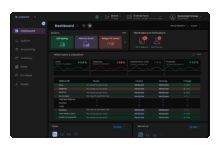
An Enterprise Resource Planning (ERP) system tailored for an IT company integrates core business processes into a unified platform. Unlike generic ERP solutions, an IT Company ERP is designed to handle the unique demands of technology firms—project management, software development lifecycles, client billing, resource allocation, and compliance tracking.
Core Definition and Functionality
At its heart, an IT Company ERP consolidates data from various departments—finance, HR, operations, sales, and project management—into a single, real-time database. This eliminates data silos and ensures every team accesses accurate, up-to-date information.
- Centralized data management for cross-functional visibility
- Automated workflows to reduce manual errors
- Real-time reporting and analytics for strategic decisions
For IT firms managing multiple client projects simultaneously, this level of integration is critical. According to Gartner, ERP systems improve data accuracy by up to 45% across departments.
How IT Company ERP Differs from Generic ERP
While traditional ERPs serve manufacturing or retail sectors, an IT Company ERP is engineered for service-based, project-driven environments. It includes specialized modules like time tracking, agile project management, and client contract lifecycle management.
- Supports iterative development models (Agile, Scrum, DevOps)
- Tracks billable hours and resource utilization per project
- Integrates with development tools like Jira, GitHub, and Trello
“An ERP for an IT firm isn’t about inventory—it’s about intellectual capital, project velocity, and client satisfaction.” — Tech Strategy Journal, 2023
7 Key Benefits of Implementing an IT Company ERP
Deploying an ERP system specifically designed for IT organizations unlocks transformative advantages. From operational efficiency to strategic scalability, here’s how an IT Company ERP drives measurable impact.
1. Streamlined Project Management
IT companies thrive on delivering projects on time and within budget. An IT Company ERP provides end-to-end project oversight, from initiation to delivery.
- Real-time task tracking with milestone alerts
- Resource allocation dashboards to prevent overstaffing or underutilization
- Integration with Gantt charts and Kanban boards for visual planning
Tools like Oracle ERP Cloud offer built-in project portfolio management (PPM) that reduces project overruns by up to 30%.
2. Enhanced Financial Control and Transparency
For IT firms juggling multiple clients, contracts, and revenue models (fixed-price, time-and-materials, retainer), financial clarity is non-negotiable.
- Automated invoicing based on project milestones or hourly billing
- Real-time profit and loss tracking per project
- Multi-currency and tax compliance support for global clients
An ERP system ensures that CFOs and finance teams can generate audit-ready reports in minutes, not days. This transparency strengthens investor confidence and simplifies tax filings.
3. Improved Resource and Talent Management
Human capital is the lifeblood of any IT organization. An IT Company ERP helps optimize workforce planning and employee engagement.
- Skill mapping to assign the right developers to the right projects
- Leave, attendance, and performance review automation
- Training and certification tracking for compliance (e.g., AWS, CISSP)
By analyzing employee utilization rates, managers can identify burnout risks and redistribute workloads proactively.
4. Scalability for Rapid Growth
Startups and mid-sized IT firms often face explosive growth. An ERP system scales with the business, supporting new clients, geographies, and service lines without operational chaos.
- Cloud-based ERP solutions allow instant user provisioning
- Modular architecture lets companies add HR, CRM, or procurement modules as needed
- Supports mergers and acquisitions through unified data integration
According to a McKinsey report, companies using scalable ERP systems grow 2.3x faster than those without.
5. Real-Time Business Intelligence and Analytics
Data-driven decision-making separates leading IT firms from the pack. An IT Company ERP turns raw data into actionable insights.
- Custom dashboards showing project health, revenue trends, and client satisfaction
- Predictive analytics for forecasting resource needs
- Benchmarking against industry KPIs (e.g., project delivery time, bug resolution rate)
With AI-powered analytics, ERP systems can even recommend optimal project staffing or flag at-risk clients before churn occurs.
6. Strengthened Client Relationship Management
Client retention is crucial in the competitive IT services market. An integrated CRM within an IT Company ERP enhances service delivery.
- 360-degree client view including past projects, communication history, and SLA status
- Automated client satisfaction surveys post-delivery
- Service ticket integration for faster issue resolution
This holistic approach increases client trust and upsell opportunities by up to 40%, as found in a 2022 Salesforce study.
7. Regulatory Compliance and Data Security
IT companies handle sensitive client data, making compliance with GDPR, HIPAA, or SOC 2 non-negotiable. An IT Company ERP embeds security into its core.
- Role-based access control to protect confidential information
- Audit trails for all system activities
- Automated compliance reporting for regulatory submissions
With cyberattacks rising, ERP systems with built-in encryption and multi-factor authentication are no longer optional—they’re essential.
Top ERP Solutions for IT Companies in 2024
Choosing the right ERP platform can make or break your digital transformation. Here are the leading ERP systems tailored for IT organizations, each offering unique strengths.
1. NetSuite by Oracle
NetSuite is a cloud-based ERP powerhouse ideal for mid-sized IT firms scaling globally.
- End-to-end financial management with multi-subsidiary support
- Robust project management with time approval workflows
- Strong integration with Salesforce and development tools
NetSuite’s real-time dashboards provide CFOs with instant visibility into cash flow and project profitability. Learn more at netsuite.com.
2. SAP Business ByDesign
SAP’s cloud ERP is designed for service-oriented businesses, making it a strong fit for IT consulting and software firms.
- Integrated project management with resource planning
- Advanced analytics with AI-driven forecasting
- Compliance-ready for international standards
SAP’s ecosystem supports seamless integration with existing SAP landscapes, ideal for IT firms serving enterprise clients. Explore at sap.com/products/business-bydesign.
3. Microsoft Dynamics 365
Dynamics 365 combines ERP and CRM capabilities, perfect for IT companies focused on client delivery and relationship growth.
- Tight integration with Microsoft Azure, Teams, and Power BI
- Flexible licensing for small to large teams
- AI-powered insights for sales and service optimization
Its modular design allows IT firms to start with finance and add project operations later. Visit dynamics.microsoft.com for details.
4. Zoho One
For startups and small IT firms, Zoho One offers an affordable, all-in-one suite with ERP functionality.
- Budget-friendly pricing with over 40 integrated apps
- Customizable workflows for agile development teams
- Strong automation for invoicing and client onboarding
Zoho’s ecosystem is ideal for bootstrapped firms wanting ERP benefits without enterprise costs. Learn more at zoho.com/one.
How to Choose the Right IT Company ERP
Selecting an ERP isn’t just about features—it’s about fit. A misaligned system can lead to low adoption, wasted investment, and operational friction.
Assess Your Business Needs
Start by mapping your core processes: project delivery, billing, HR, and client management.
- Identify pain points: Are projects consistently delayed? Are invoices error-prone?
- Define must-have features: time tracking, multi-currency support, CRM integration
- Involve stakeholders from finance, tech, and operations in the evaluation
A clear needs assessment prevents feature bloat and ensures ROI.
Consider Scalability and Integration
Your ERP should grow with you. Evaluate how easily it integrates with existing tools.
- Check API availability for connecting with GitHub, Jira, or Slack
- Ensure mobile access for remote developers and field teams
- Verify cloud infrastructure reliability (AWS, Azure, GCP support)
Integration depth determines how smoothly your ERP becomes the central nervous system of your IT company.
Evaluate Vendor Support and Training
Even the best ERP fails without proper onboarding. Assess vendor commitment.
- Look for 24/7 support, especially for global IT firms
- Request training programs for admins and end-users
- Check user community size and knowledge base quality
Vendors like NetSuite and SAP offer dedicated customer success managers—critical for smooth implementation.
Common Challenges in IT Company ERP Implementation
Despite its benefits, ERP adoption isn’t without hurdles. Awareness and preparation are key to overcoming them.
Data Migration and System Integration
Moving legacy data into a new ERP is complex and risky.
- Data inconsistencies from old spreadsheets or outdated systems
- Mapping fields correctly between old and new platforms
- Downtime during cutover affecting ongoing projects
Solution: Use phased migration with pilot testing. Tools like Talend can automate data cleansing and transformation.
User Resistance and Change Management
Employees often resist new systems, fearing complexity or job disruption.
- Developers may prefer standalone tools over centralized ERP
- Lack of training leads to low adoption
- Leadership must champion the change
Best Practice: Run change management workshops, appoint ERP champions, and offer incentives for early adopters.
Cost Overruns and Timeline Delays
ERP projects often exceed budgets due to scope creep or unforeseen customization.
- Hidden costs in add-on modules or user licenses
- Delays from third-party integrations or compliance requirements
- Underestimating internal resource commitment
Mitigation: Use fixed-scope contracts with vendors and set realistic timelines. Allocate a 15–20% contingency budget.
Future Trends in IT Company ERP Systems
The ERP landscape is evolving rapidly, driven by AI, cloud computing, and automation. IT companies must stay ahead of these trends to remain competitive.
AI and Machine Learning Integration
Next-gen ERP systems are embedding AI to predict project risks, optimize staffing, and automate routine tasks.
- AI-driven resource scheduling based on skill and availability
- Predictive maintenance for internal IT infrastructure
- Natural language processing for voice-activated reporting
For example, IBM’s watsonx integrates with ERP to provide intelligent insights, reducing manual analysis by 60%.
Cloud-Native and Modular ERP Architectures
Monolithic ERP systems are giving way to cloud-native, microservices-based platforms.
- Faster deployment and updates
- Independent scaling of modules (e.g., finance vs. HR)
- Enhanced security through containerization
This shift allows IT companies to innovate faster and adapt to market changes with agility.
Increased Focus on User Experience (UX)
Modern ERP systems prioritize intuitive interfaces to boost adoption.
- Mobile-first design for on-the-go access
- Personalized dashboards and role-based views
- Chatbot support for common queries (e.g., “How do I submit my timesheet?”)
Vendors are investing heavily in UX, recognizing that ease of use directly impacts ROI.
Real-World Case Studies: IT Company ERP Success Stories
Theoretical benefits are compelling, but real-world results are convincing. Here are two IT firms that transformed operations with ERP.
Case Study 1: TechNova Solutions (Mid-Sized IT Firm)
TechNova, a 150-person software development firm, struggled with project overruns and client billing delays.
- Implemented NetSuite ERP with project management and time tracking
- Integrated with Jira for seamless task synchronization
- Automated monthly invoicing based on approved timesheets
Results after 12 months:
- Project delivery time reduced by 25%
- Invoice accuracy improved by 90%
- Client satisfaction scores rose from 3.8 to 4.6/5
“NetSuite gave us the visibility we needed to scale without chaos.” — CTO, TechNova Solutions
Case Study 2: CodeForge Inc. (Startup to Scale-Up)
CodeForge, a fast-growing IT startup, faced chaos as it expanded from 20 to 100 employees in 18 months.
- Adopted Zoho One for its affordability and integrated suite
- Used Zoho Projects for agile sprints and Zoho Books for finance
- Automated HR onboarding and performance reviews
Outcomes:
- Reduced administrative workload by 40%
- Improved employee retention through transparent performance tracking
- Secured Series B funding with clean financial reports from ERP
CodeForge’s story shows that even startups can leverage ERP for sustainable growth.
Best Practices for Successful IT Company ERP Deployment
To maximize ROI and minimize disruption, follow these proven best practices.
Start with a Clear Vision and Goals
Define what success looks like: Is it faster project delivery? Better financial control? Higher client retention?
- Set SMART goals (Specific, Measurable, Achievable, Relevant, Time-bound)
- Align ERP objectives with overall business strategy
- Communicate the vision company-wide to build buy-in
Choose the Right Implementation Partner
Even the best ERP needs expert guidance. Partner with consultants who understand IT industry nuances.
- Look for partners with certifications from ERP vendors (e.g., SAP, Oracle)
- Check references from other IT firms they’ve helped
- Ensure they offer post-go-live support and optimization
Train, Train, and Retrain
User adoption is the #1 predictor of ERP success.
- Conduct role-specific training (developers, PMs, finance staff)
- Create video tutorials and quick-reference guides
- Run mock scenarios to build confidence
Continuous learning ensures your team leverages the ERP’s full potential.
What is an IT Company ERP?
An IT Company ERP is an Enterprise Resource Planning system customized for technology firms. It integrates project management, finance, HR, and client relations into a single platform to improve efficiency, scalability, and decision-making.
Which ERP is best for IT companies?
The best ERP depends on size and needs. NetSuite and SAP ByDesign suit mid-sized to large firms, while Zoho One and Dynamics 365 are ideal for startups and growing IT businesses.
How much does an IT Company ERP cost?
Costs vary: Zoho One starts at $37/user/month, NetSuite at $999/month, and SAP ByDesign at $1,200/month. Implementation can add $20k–$100k depending on complexity.
Can ERP improve project delivery in IT firms?
Yes. ERP systems provide real-time project tracking, resource optimization, and automated reporting, reducing delays and improving on-time delivery rates by up to 30%.
Is cloud ERP secure for IT companies?
Absolutely. Leading cloud ERP providers use encryption, multi-factor authentication, and compliance certifications (SOC 2, GDPR) to ensure data security and regulatory adherence.
Implementing an IT Company ERP is not just a technological upgrade—it’s a strategic transformation. From streamlining project workflows to enhancing financial transparency and client relationships, the right ERP system empowers IT firms to scale efficiently and compete globally. With trends like AI, cloud-native architecture, and superior UX shaping the future, now is the time to invest in a solution that doesn’t just manage operations but drives innovation. By following best practices in selection, implementation, and change management, IT companies can unlock sustainable growth and operational excellence.
Further Reading:
