In today’s fast-paced food industry, efficiency isn’t just a goal—it’s a necessity. Enter Food Manufacturing ERP: the ultimate game-changer for streamlining production, ensuring compliance, and boosting profitability with precision and power.
What Is Food Manufacturing ERP?

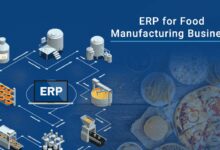
A Food Manufacturing ERP (Enterprise Resource Planning) system is a specialized software platform designed to integrate and manage all core business processes within a food production environment. Unlike generic ERP systems, Food Manufacturing ERP is tailored to address the unique challenges of the food industry—such as perishable inventory, strict regulatory compliance, batch tracking, and recipe management. These systems consolidate data from procurement, production, quality control, distribution, and sales into a single, unified platform, enabling real-time visibility and smarter decision-making across the entire supply chain.
Core Components of Food Manufacturing ERP
At its foundation, a Food Manufacturing ERP system consists of several interconnected modules that work together to streamline operations. These typically include inventory management, production planning, quality assurance, traceability, financials, and supply chain logistics. Each module feeds into the others, ensuring that data flows seamlessly across departments. For example, when raw materials are received, the inventory module updates stock levels, the quality module logs inspection results, and the production module adjusts schedules accordingly—all in real time.
- Inventory and warehouse management
- Production scheduling and recipe control
- Quality and compliance tracking
How It Differs from Generic ERP Systems
While standard ERP systems are built for broad industry applications, Food Manufacturing ERP includes features specifically engineered for food producers. These include lot and batch traceability, shelf-life management, allergen tracking, and integration with food safety standards like HACCP, FDA FSMA, and SQF. According to the FDA’s FSMA guidelines, traceability is no longer optional—it’s a legal requirement. Food Manufacturing ERP systems are built to meet these mandates, ensuring that companies can quickly trace ingredients from farm to fork.
“A specialized ERP system isn’t just a tool—it’s a strategic asset for food manufacturers navigating complex regulatory landscapes and volatile supply chains.”
Key Features of a Food Manufacturing ERP System
What sets a Food Manufacturing ERP apart from other business software is its depth of industry-specific functionality. These systems go beyond basic accounting and inventory tracking to offer advanced capabilities that directly impact food safety, operational efficiency, and customer satisfaction. Let’s explore the most critical features that define a robust Food Manufacturing ERP solution.
Batch and Lot Traceability
One of the most vital features of any Food Manufacturing ERP is its ability to track ingredients and finished products by batch or lot number. This capability is essential for managing recalls, ensuring product consistency, and complying with food safety regulations. If a contamination issue arises, manufacturers can instantly identify which batches are affected, where they were distributed, and which suppliers provided the raw materials. This level of traceability reduces risk, minimizes waste, and protects brand reputation.
- Full traceability from supplier to end customer
- Automated recall management and reporting
- Integration with barcode and RFID systems
Recipe and Formula Management
Food production relies heavily on precise recipes and formulations. A Food Manufacturing ERP system allows manufacturers to store, version-control, and scale recipes with accuracy. Whether producing a small test batch or scaling up for mass production, the system ensures consistency in taste, texture, and nutritional content. It also supports multi-level bills of materials (BOMs), enabling complex product hierarchies—such as a frozen meal containing multiple components, each with their own ingredients and processing steps.
For example, a sauce manufacturer can define a base recipe, then create variations for different markets (e.g., low-sodium, organic, or spicy versions) while maintaining compliance with labeling regulations. The ERP system automatically adjusts ingredient quantities, allergen declarations, and nutritional labels based on the selected formula.
Shelf-Life and Expiry Management
Perishability is a defining challenge in food manufacturing. A Food Manufacturing ERP system includes advanced shelf-life tracking that monitors expiration dates, enforces first-expired, first-out (FEFO) inventory rotation, and alerts staff when products are nearing expiry. This reduces spoilage, minimizes waste, and ensures that only safe, high-quality products reach consumers.
Some systems even integrate with warehouse management to automate picking sequences based on expiry dates. For instance, a dairy processor can ensure that milk with the closest expiration date is shipped first, reducing the risk of returns or recalls due to expired goods.
Regulatory Compliance and Food Safety
Compliance is non-negotiable in the food industry. With increasing scrutiny from regulators and consumers alike, food manufacturers must demonstrate adherence to strict safety standards. A Food Manufacturing ERP system acts as a digital backbone for compliance, automating documentation, audits, and reporting processes.
HACCP and FSMA Compliance Integration
The Hazard Analysis and Critical Control Points (HACCP) system is a globally recognized framework for preventing food safety hazards. A Food Manufacturing ERP system can embed HACCP plans directly into production workflows, ensuring that critical control points (CCPs) are monitored and documented in real time. For example, if a cooking process requires a minimum internal temperature of 165°F, the ERP can log temperature readings from connected sensors and flag any deviations immediately.
Likewise, the U.S. Food and Drug Administration’s Food Safety Modernization Act (FSMA) mandates preventive controls and enhanced traceability. A Food Manufacturing ERP system supports FSMA compliance by maintaining detailed records of supplier verification, hazard analysis, and corrective actions. The FDA’s Preventive Controls for Human Food rule requires facilities to have written food safety plans—something an ERP can help generate and maintain.
Allergen and Labeling Compliance
Mislabeling allergens is one of the leading causes of food recalls. A Food Manufacturing ERP system helps prevent such errors by automatically generating accurate ingredient lists and allergen statements based on the recipe in use. It can also flag potential cross-contamination risks during production scheduling—for example, if a line previously processed peanuts and is now being used for a nut-free product.
Additionally, the system ensures that labels comply with regional regulations, such as the EU’s Food Information to Consumers Regulation (FIC) or the U.S. FDA’s Nutrition Facts labeling requirements. This reduces the risk of legal penalties and consumer harm.
“In food manufacturing, compliance isn’t just about avoiding fines—it’s about protecting lives and building trust.”
Supply Chain and Inventory Optimization
Efficient supply chain management is crucial for maintaining product quality and meeting customer demand. A Food Manufacturing ERP system provides end-to-end visibility into the supply chain, from raw material sourcing to final delivery. This transparency enables better forecasting, reduced lead times, and improved supplier collaboration.
Real-Time Inventory Tracking
Traditional inventory systems often rely on manual counts and spreadsheets, leading to inaccuracies and stockouts. A Food Manufacturing ERP system uses real-time data from production lines, warehouses, and suppliers to maintain accurate inventory levels. This includes tracking raw materials, work-in-progress (WIP), and finished goods across multiple locations.
For example, when a batch of flour is used in production, the system automatically deducts it from inventory and updates the WIP status. If stock levels fall below a predefined threshold, the system can trigger a purchase order automatically, ensuring uninterrupted production.
Demand Forecasting and Production Planning
Accurate demand forecasting is essential for minimizing waste and maximizing efficiency. A Food Manufacturing ERP system analyzes historical sales data, seasonal trends, and market conditions to predict future demand. This information is used to create optimized production schedules that align with available resources, labor, and equipment capacity.
Advanced systems use machine learning algorithms to refine forecasts over time, improving accuracy. For instance, a beverage manufacturer can anticipate increased demand during summer months and adjust production accordingly, avoiding last-minute bottlenecks.
- Integration with CRM and sales data
- Scenario planning for peak seasons
- Automated production scheduling
Quality Control and Continuous Improvement
Consistent product quality is a cornerstone of brand reputation in the food industry. A Food Manufacturing ERP system supports quality control by standardizing processes, automating inspections, and enabling root cause analysis when issues arise.
Automated Quality Checks and Inspections
Instead of relying on paper-based checklists, a Food Manufacturing ERP system digitizes quality inspections. Operators can use tablets or mobile devices to record results directly into the system, reducing errors and ensuring accountability. The system can enforce mandatory checks at critical stages—such as incoming raw material inspection, in-process testing, and final product release.
If a test fails, the system can automatically quarantine the batch and notify quality managers. This rapid response minimizes the risk of defective products reaching the market.
Root Cause Analysis and Corrective Actions
When quality issues occur, identifying the root cause is essential for preventing recurrence. A Food Manufacturing ERP system logs all relevant data—such as batch numbers, equipment used, operator shifts, and environmental conditions—making it easier to conduct thorough investigations. The system can also track corrective and preventive actions (CAPAs), ensuring that fixes are implemented and verified.
For example, if a batch of cookies is found to be too soft, the system can analyze humidity levels, oven temperatures, and ingredient moisture content to pinpoint the cause. Once resolved, the solution is documented and applied to future batches.
Integration with IoT and Smart Manufacturing
The future of food manufacturing lies in smart, connected systems. A modern Food Manufacturing ERP is not just a back-office tool—it’s a central hub for Industry 4.0 technologies. By integrating with IoT devices, sensors, and automation systems, ERP platforms enable real-time monitoring and predictive maintenance.
IoT Sensors for Real-Time Monitoring
IoT-enabled sensors can monitor temperature, humidity, pressure, and other critical parameters throughout the production process. These sensors feed data directly into the Food Manufacturing ERP system, allowing for continuous oversight. For example, in a cold chain operation, temperature sensors in refrigerated trucks can alert the ERP system if temperatures exceed safe limits, triggering immediate corrective actions.
This level of automation enhances food safety, reduces human error, and improves energy efficiency. According to a report by McKinsey & Company, digital integration in manufacturing can reduce downtime by up to 50% and improve overall equipment effectiveness (OEE) by 20%.
Predictive Maintenance and Equipment Efficiency
Unplanned equipment downtime can halt production and lead to significant losses. A Food Manufacturing ERP system integrated with predictive maintenance tools can analyze equipment performance data to forecast failures before they occur. For instance, if a mixer motor shows signs of vibration or overheating, the system can schedule maintenance during a planned shutdown, avoiding costly disruptions.
This proactive approach extends equipment lifespan, reduces repair costs, and ensures consistent production output.
Choosing the Right Food Manufacturing ERP Solution
Selecting the right ERP system is a strategic decision that can shape a company’s future. With numerous vendors offering Food Manufacturing ERP solutions, it’s essential to evaluate options based on scalability, industry expertise, integration capabilities, and total cost of ownership.
Key Evaluation Criteria
When assessing potential ERP systems, manufacturers should consider several factors. First, does the vendor have proven experience in the food and beverage sector? A system designed for general manufacturing may lack critical food-specific features. Second, is the platform cloud-based or on-premise? Cloud ERP offers faster deployment, lower upfront costs, and automatic updates, making it ideal for mid-sized and growing companies.
Third, how well does the system integrate with existing tools—such as SCADA systems, lab information management systems (LIMS), or e-commerce platforms? Seamless integration ensures data consistency and reduces manual work.
- Industry-specific functionality
- Cloud vs. on-premise deployment
- Vendor support and implementation services
Implementation Best Practices
Implementing a Food Manufacturing ERP system is a complex project that requires careful planning. Best practices include forming a cross-functional team, defining clear objectives, and conducting thorough training. It’s also advisable to start with a pilot phase—implementing the system in one facility or production line before scaling company-wide.
Change management is crucial. Employees may resist new workflows, so clear communication and ongoing support are essential. According to Gartner, ERP implementation failures often stem from poor change management rather than technical issues.
“The success of an ERP system isn’t measured by its features, but by how well it’s adopted and used across the organization.”
What is a Food Manufacturing ERP system?
A Food Manufacturing ERP system is a specialized software platform that integrates core business processes in food production, including inventory management, production planning, quality control, compliance, and supply chain logistics. It is designed to handle industry-specific challenges like batch traceability, shelf-life management, and regulatory compliance.
How does Food Manufacturing ERP improve food safety?
It enhances food safety by enabling full traceability, automating HACCP and FSMA compliance, managing allergens, and ensuring accurate labeling. In the event of a contamination issue, the system allows for rapid recall of affected batches, minimizing risk to consumers and protecting brand reputation.
Can small food manufacturers benefit from ERP systems?
Yes, even small and mid-sized food manufacturers can benefit from Food Manufacturing ERP. Cloud-based solutions offer scalable, affordable options with lower upfront costs. These systems help small producers improve efficiency, ensure compliance, and compete with larger players by professionalizing their operations.
What are the main challenges in implementing a Food Manufacturing ERP?
Common challenges include data migration, employee resistance to change, integration with legacy systems, and selecting the right vendor. Success depends on strong project management, clear communication, comprehensive training, and phased implementation to minimize disruption.
How does ERP support sustainability in food manufacturing?
Food Manufacturing ERP supports sustainability by reducing waste through better inventory and expiry management, optimizing energy use via predictive maintenance, and improving supply chain transparency. These efficiencies not only lower costs but also reduce environmental impact, aligning with growing consumer demand for sustainable practices.
Food Manufacturing ERP is more than just software—it’s a strategic enabler of efficiency, safety, and growth. From ensuring compliance with global food safety standards to optimizing supply chains and empowering data-driven decisions, these systems are transforming how food is produced and delivered. As the industry faces increasing pressure to be faster, safer, and more sustainable, investing in a robust Food Manufacturing ERP solution is no longer optional—it’s essential for long-term success.
Further Reading:
